
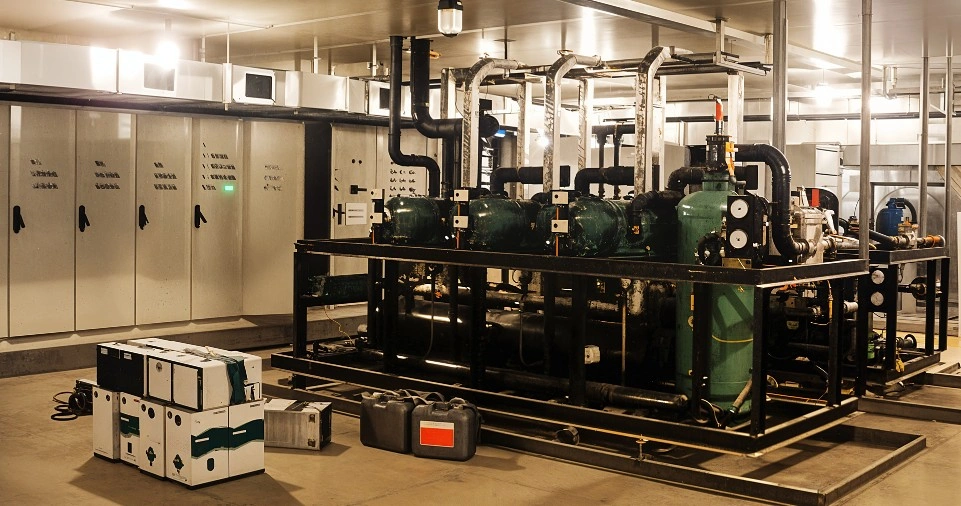
Your commercial refrigerator is the heartbeat of your food service operation. Whether you run a restaurant, grocery store, hotel, or catering business, a malfunctioning refrigeration system can lead to thousands of dollars in spoiled inventory, violated health codes, and lost revenue.
Studies show that 30-40% of commercial refrigerator failures could be prevented through proper maintenance. Yet many business owners wait until their units completely break down before taking action. This reactive approach costs significantly more than proactive maintenance and repair strategies.
This comprehensive guide will help you understand commercial refrigerator repair, recognize warning signs, make informed decisions about repairs versus replacement, and implement maintenance practices that extend equipment lifespan while reducing operational costs.
Common Commercial Refrigerator Problems and Their Causes
Temperature Fluctuations
The Problem: Your commercial refrigerator can’t maintain consistent temperatures, causing food safety concerns and potential health code violations.
Common Causes:
- Faulty thermostats or temperature sensors
- Damaged door gaskets allowing warm air infiltration
- Overloaded shelving blocking airflow
- Dirty condenser coils reducing cooling efficiency
- Refrigerant leaks affecting system pressure
Business Impact: Even a 2-3°F temperature variation can accelerate food spoilage and create bacterial growth conditions. The FDA requires most refrigerated foods to stay at 40°F or below.
Excessive Frost or Ice Buildup
The Problem: Ice accumulation on evaporator coils or inside the unit reduces efficiency and storage space.
Common Causes:
- Malfunctioning defrost timer or heater
- Faulty defrost thermostat
- Damaged door seals allowing humidity entry
- Blocked drain lines preventing water evacuation
Real-World Example: A Chicago restaurant discovered their walk-in cooler had a failed defrost system. The resulting ice buildup reduced interior space by 15% and increased energy consumption by 35% before they called for repairs.
Strange Noises
The Problem: Unusual sounds like grinding, clicking, buzzing, or hissing coming from your refrigeration unit.
What Different Noises Mean:
| Sound | Likely Cause | Urgency Level |
|---|---|---|
| Grinding | Compressor motor bearings wearing out | High – Call immediately |
| Clicking | Relay switch or starting capacitor failing | Medium – Schedule repair soon |
| Hissing | Refrigerant leak or expansion valve issue | High – Potential safety hazard |
| Buzzing | Condenser fan motor struggling or loose component | Medium – Monitor and schedule repair |
| Gurgling | Normal refrigerant flow (usually not a problem) | Low – No action needed |
Water Leaks
The Problem: Pooling water inside or around your commercial refrigeration unit.
Common Causes:
- Clogged or frozen drain line
- Cracked drain pan
- Excessive condensation from humidity
- Failed door gaskets
Prevention Tip: Inspect and clean drain lines monthly using a mixture of hot water and mild detergent. This simple 5-minute task can prevent costly water damage repairs.
DIY Troubleshooting: Simple Fixes Before Calling a Technician
Quick Checks You Can Perform
1. Verify Power Supply
- Check circuit breakers and ensure unit is properly plugged in
- Test the outlet with another appliance
- Look for tripped GFCI outlets
2. Inspect Door Seals
- Close door on a dollar bill – you should feel resistance when pulling it out
- Look for visible cracks, tears, or gaps in gaskets
- Clean seals with warm soapy water to remove food debris affecting seal quality
3. Clear Condenser Coils
- Locate coils (usually on back or bottom of unit)
- Use a vacuum with brush attachment to remove dust and debris
- Perform this every 30-90 days depending on environment
4. Check Temperature Settings
- Verify thermostat is set to proper temperature (typically 35-38°F for refrigerators)
- Ensure nothing is blocking temperature sensor
- Allow 24 hours after adjustment for temperature to stabilize
5. Assess Airflow
- Remove any items blocking air vents inside unit
- Ensure nothing is placed too close to evaporator fan
- Maintain minimum 3-inch clearance around air circulation areas
When DIY Isn’t Enough
Call a professional commercial refrigerator repair technician immediately if you experience:
- Refrigerant leaks (often indicated by hissing sounds or oily residue)
- Electrical issues beyond simple circuit breaker resets
- Compressor failures or unusual compressor noises
- Complete system breakdowns
- Recurring problems after DIY fixes
Understanding Commercial Refrigerator Repair Costs
Typical Repair Cost Ranges
| Repair Type | Average Cost | Time to Complete | Lifespan Extension |
|---|---|---|---|
| Thermostat Replacement | $150-$350 | 1-2 hours | 3-5 years |
| Compressor Replacement | $800-$2,500 | 4-8 hours | 5-10 years |
| Evaporator Fan Motor | $200-$600 | 2-3 hours | 4-7 years |
| Door Gasket Replacement | $100-$300 | 1 hour | 2-4 years |
| Refrigerant Recharge | $250-$750 | 2-4 hours | Varies (depends on leak) |
| Defrost System Repair | $300-$900 | 2-4 hours | 3-6 years |
| Condenser Coil Cleaning | $100-$200 | 1-2 hours | N/A (maintenance) |
Cost-Saving Strategy: Many repair companies offer preventive maintenance contracts for $500-$1,500 annually. These programs typically include quarterly inspections, priority emergency service, and discounted repair rates—often paying for themselves with a single major repair avoidance.
Repair vs. Replacement: Making the Right Decision
The 50% Rule: If repair costs exceed 50% of replacement value and your unit is over 10 years old, replacement usually makes more financial sense.
Consider Replacement When:
- Unit is 10-15+ years old (typical commercial refrigerator lifespan)
- Repair costs approach $1,500-$2,000 on older equipment
- You’ve had multiple repairs in the past 12 months
- Energy bills have increased significantly despite normal usage
- Newer models offer substantially better energy efficiency
Favor Repair When:
- Unit is less than 7 years old
- Single component failure on otherwise healthy system
- Repair cost is under 30% of replacement value
- Equipment has sentimental or specialized value
- You’ve maintained regular preventive maintenance schedule
Preventive Maintenance: Protecting Your Investment
Daily Maintenance Tasks (5 Minutes)
- Check temperature displays and verify proper cooling
- Inspect door seals during normal opening/closing
- Remove any spills or debris immediately
- Ensure proper door closure after use
- Listen for unusual operational sounds
Weekly Maintenance Tasks (15 Minutes)
- Clean interior surfaces with food-safe sanitizer
- Wipe down door gaskets and hinges
- Check and empty drain pans if accessible
- Verify proper airflow around unit
- Test door seal integrity with dollar bill test
Monthly Maintenance Tasks (30-45 Minutes)
- Clean condenser coils thoroughly
- Flush drain lines with hot water and cleaning solution
- Check refrigerant lines for signs of leaks or damage
- Inspect all electrical connections for corrosion
- Document temperature readings and operational performance
Quarterly Professional Maintenance
What a Technician Inspection Should Include:
- Comprehensive system pressure testing
- Refrigerant level verification and adjustment
- Compressor amp draw testing
- Electrical component testing
- Complete system performance analysis
- Detailed report with recommendations
Investment Value: Quarterly professional maintenance costs $100-$250 per visit but can extend equipment lifespan by 30-50% while reducing energy consumption by up to 25%.
Choosing the Right Commercial Refrigerator Repair Company
Essential Qualifications to Verify
1. Proper Licensing and Certification
- EPA Section 608 certification (required for refrigerant handling)
- State contractor’s license
- Manufacturer-specific training certifications
2. Commercial Experience
- Minimum 5+ years working specifically with commercial refrigeration
- Experience with your specific equipment brand and model
- References from similar businesses in your industry
3. Service Guarantees
- Written warranties on parts (typically 90 days to 1 year)
- Labor warranties (minimum 30 days)
- Emergency service availability and response times
Red Flags to Avoid
❌ Companies requiring full payment before starting work
❌ Technicians unable to explain the problem clearly
❌ Pressure tactics to replace rather than repair
❌ Lack of proper insurance or licensing documentation
❌ No written estimates or service agreements
❌ Poor online reviews or numerous customer complaints
Questions to Ask Before Hiring
- “What is your average response time for emergency calls?”
- “Do you stock common parts for my equipment brand?”
- “Can you provide references from similar businesses?”
- “What warranties do you offer on repairs?”
- “Are your technicians EPA certified?”
- “Do you offer preventive maintenance contracts?”
Energy Efficiency: Reducing Operational Costs
How Proper Maintenance Saves Money
Well-maintained commercial refrigeration systems use 20-30% less energy than neglected units. For a typical walk-in cooler consuming 3,000-5,000 kWh monthly, this translates to $300-$600 annual savings at average commercial electricity rates.
Upgrade Opportunities
Consider These Energy-Saving Improvements:
| Upgrade | Cost | Annual Savings | Payback Period |
|---|---|---|---|
| LED Lighting | $200-$500 | $100-$200 | 2-3 years |
| Anti-Sweat Heater Controls | $300-$800 | $150-$400 | 2-3 years |
| Strip Curtains (Walk-ins) | $150-$400 | $200-$500 | 6-12 months |
| Smart Thermostats | $250-$600 | $150-$300 | 2-3 years |
| High-Efficiency Fan Motors | $400-$1,200 | $200-$400 | 2-4 years |
Frequently Asked Questions About Commercial Refrigerator Repair
1. How much does commercial refrigerator repair typically cost?
A: Basic repairs like thermostat replacement cost $150-$350, while major repairs such as compressor replacement range from $800-$2,500. Minor fixes like door gasket replacement typically cost $100-$300. The final cost depends on the specific issue, parts needed, and labor time required.
2. How do I know if my commercial refrigerator needs repair or replacement?
A: Follow the 50% rule: if repair costs exceed 50% of replacement value and your unit is over 10 years old, replace it. Also consider replacement if you’ve had multiple repairs within 12 months, energy bills have increased significantly, or the unit is 15+ years old. Units under 7 years old with single component failures are usually worth repairing.
3. How often should I schedule professional maintenance for my commercial refrigerator?
A: Professional maintenance should be performed quarterly (every 3 months) for optimal performance. This includes refrigerant level checks, compressor testing, and complete system analysis. Additionally, perform daily temperature checks, weekly cleaning, and monthly condenser coil cleaning to prevent breakdowns between professional visits.
4. What are the most common signs my commercial refrigerator needs repair?
A: Watch for these warning signs: temperature fluctuations or inability to maintain 40°F or below, excessive frost or ice buildup, unusual noises (grinding, hissing, or clicking), water pooling inside or around the unit, constantly running compressor, higher than normal energy bills, and frequent door seal failures.
5. Can I repair my commercial refrigerator myself, or do I need a professional?
A: You can perform simple tasks like cleaning condenser coils, replacing door gaskets, checking temperature settings, and clearing drain lines. However, call a licensed professional for refrigerant leaks, electrical issues, compressor problems, or any repairs requiring EPA certification. DIY refrigerant work is illegal without proper certification.
6. How long does a typical commercial refrigerator repair take?
A: Simple repairs like thermostat replacement or door gasket installation take 1-2 hours. Moderate repairs such as fan motor replacement require 2-4 hours. Major repairs like compressor replacement can take 4-8 hours or longer. Emergency repairs may be scheduled within 2-4 hours, while non-urgent repairs are typically scheduled within 24-48 hours.
Conclusion: Protecting Your Business Through Proactive Repair
Commercial refrigerators repair isn’t just about fixing broken equipment—it’s about protecting your business investment, ensuring food safety, maintaining health code compliance, and controlling operational costs.
By implementing regular preventive maintenance, recognizing early warning signs, and partnering with qualified repair professionals, you can extend your refrigeration equipment lifespan by years while reducing energy costs and avoiding catastrophic failures during critical business hours.
Take Action Today:
- Schedule an immediate professional inspection if your equipment is showing any warning signs
- Implement the daily and weekly maintenance checklist provided in this guide
- Establish a relationship with a qualified commercial refrigeration repair company before emergencies occur
- Consider a preventive maintenance contract to protect your investment long-term
Don’t wait until a complete breakdown costs you thousands in lost inventory and revenue. Proactive maintenance and timely repairs are always more affordable than emergency replacements.
Need Commercial Refrigerator Repair? Contact a licensed, EPA-certified commercial refrigeration technician today for a comprehensive system evaluation and keep your business running smoothly.
